Your hearing aids are incredible pieces of technology that connect you to the world of sound, enhance your social relationships, boost your confidence and improve your emotional and physical well-being. Considering all they can do, you want to make sure you take good care of them to keep them in working order. You may not realize it, but winter weather can affect your hearing aids. Read on to learn more.
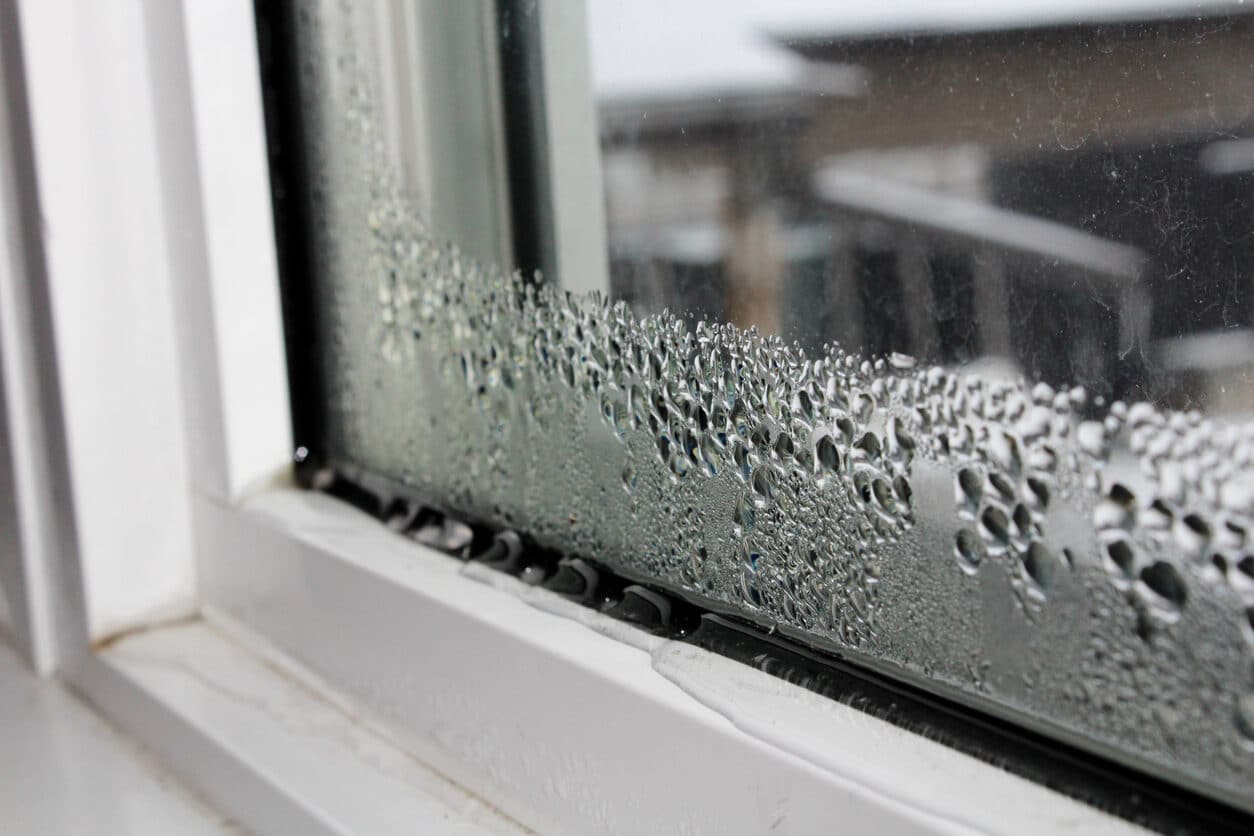
Condensation and Wet Weather
You probably know that you need to keep your hearing aids dry. Unfortunately, cold winter temperatures and weather expose your hearing aids to moisture in subtle ways. The main threats are condensation and wet weather, like rain and snow.
When you go into a warm building from the cold outdoors, your glasses fog up. That condensation isn’t just landing on your glasses, though; it’s landing on your hearing aids, too. Air particles carry water, but cold air particles can’t carry as much water as warm air particles can. When moist, warm air particles meet cold, dry air particles, the moisture from the warm air rapidly turns into condensation and lands on anything nearby. This can cause a significant amount of moisture accumulation on your hearing aids.
Additionally, rain and snow can land on your hearing aids, causing them to become damp. In practice, your hearing aids will likely withstand a few raindrops; however, the cumulative effect of moisture damage should not be underestimated.
Cold Temperatures and Your Hearing Aid Battery
When temperatures drop, you may notice that your hearing aid battery life decreases. This is because batteries generate power through a chemical reaction. Like all chemical reactions, it is more efficient when there’s heat involved. In the cold, it slows down the chemical reaction, meaning the battery has to work harder to keep the hearing aid powered on. Being aware of this issue can help you stay on top of it. Keep extra batteries on hand if you use replaceable batteries; if you use rechargeable hearing aids, ensure you charge them every day.
How to Protect Your Hearing Aids
The most important way to protect your hearing aids from moisture damage is to keep them dry. Do this by covering them with a hat, scarf or hood, or use a specialized hearing aid accessory, such as a hearing aid sleeve. This will keep condensation off when you go inside and keep rain away.
It’s also a good idea to dry your hearing aids every night in a hearing aid dry box or dehumidifier to combat moisture accumulation. Open the battery compartment when you place your hearing aids in their dry box to ensure the battery compartment gets aired out.
If you begin to notice signs of moisture damage—such as corrosion on the battery, distorted or muffled sound or issues with the hearing aids staying on—it’s time to book a repair appointment. Contact The House Institute today, and we can inspect your devices to assess the extent of the moisture damage and determine the best course of action for repair.